PACE Professional Academy of Cannabis Education
PACE is a clinician-founded academy for accredited medical cannabis education in the United States, built by a physician and nurse who collectively have over 70 years of experience working with cannabis as a medicine. We reflect the experience of professionals who have pioneered promoting the science of the endocannabinoid system, yet a glaring omission from professional medical education.
35 Years. Still Not in the Curriculum.
The endocannabinoid system was first beginning to be elucidated in 1988. Our knowledge of its vast and fundamental body effects continues to grow. It is the most widespread receptor system in the human body — involved in pain modulation, immune function, neurological regulation, appetite, sleep, and mood. As of 2026, it is still not included in the standard curriculum at most U.S. medical schools. Physicians are certifying patients for cannabis use. Patients are asking their doctors questions about a system those doctors were never taught. Cannabis is now a Schedule III substance. Millions of patients are using it as medicine. Most physicians cannot answer their questions — not because they lack the ability, but because they were never taught the science. PACE exists to change that.

The scale of need
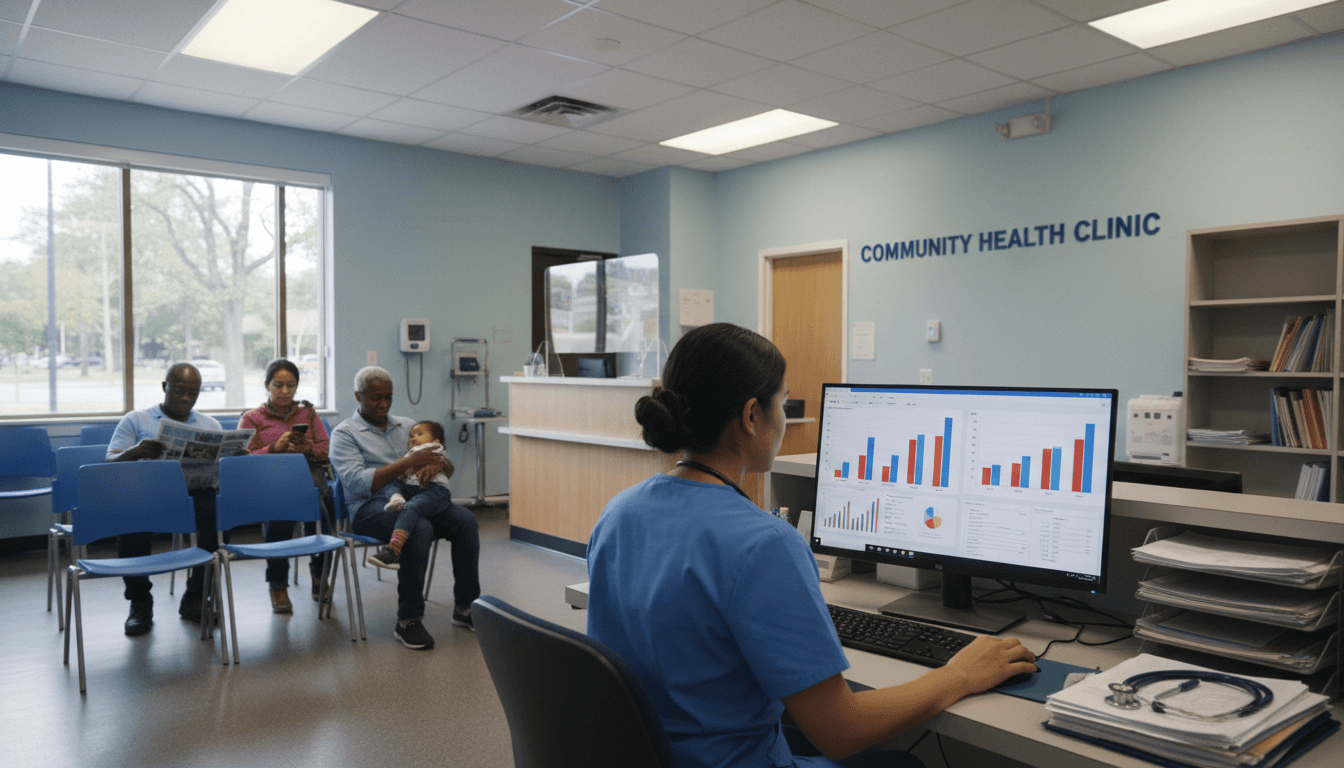
Millions of patients already use cannabis, yet most clinicians never received formal training in cannabinoid medicine. The gap between demand and prepared care is wide — and growing.
What You Will Learn
Our curriculum is built on decades of peer-reviewed research, not industry talking points. Here is what the data shows.
The Science
How the endocannabinoid system works. What phytocannabinoids and terpenes do in the body and why it matters clinically. The history of cannabis as a botanical medicine and the regulatory history that kept it out of medical education.
The Evidence
What the peer-reviewed literature shows about cannabis and pain, inflammation, oncology, neurology, psychiatry, gastrointestinal disease, and more. Adverse effects and risks — presented accurately, without distortion.
The Practice
How to talk with patients about cannabis. How to initiate therapy, titrate dosing, choose delivery methods, and monitor outcomes. Legal obligations, documentation, and clinical case examples.
6 Category 1 CME/CEU Credits | 3 Sections | Self-Paced Online | Certificate Upon Completion | Aligned to the 2025 JAMA Competency Standard
Can your patients' questions wait any longer?
"The information we present here has been hard-won, generated from 30 years of scientific evidence, patient experience, and peer exchange. We are proud to be your ambassadors of trusted cannabis medical education." — Dr. Deborah Malka, MD, PhD, President & Co-Founder, PACE

Your patients are waiting.
The science is ready. Start your PACE Clinical Cannabis Certificate today.