
What We Offer
PACE delivers 6 Category 1 CME/CEU credits across three comprehensive sections aligned to the six core competency domains identified by the 2025 JAMA Network Open consensus on medical cannabis education. Every section offers video lecture presentations, done at your own pace, with a 20-question post-assessment. There are no shortcuts. This is clinical education built to the standard the field requires.
Aligned to the 2025 JAMA Competency Framework
In October 2025, JAMA Network Open published the first peer-reviewed consensus statement on core competencies for medical cannabis education — developed by a 23-expert Delphi panel. The six domains: endocannabinoid system physiology, cannabis components and biological effects, the legal and regulatory environment, evidence for therapeutic indications, risk assessment, and basic clinical application. This program is the only accredited clinical cannabis education program built to meet this standard. The PACE Clinical Cannabis Certificate 6 Category 1 CME/CEU Credits | 3 Sections | Self-Paced Online Delivery | Certificate Upon Completion Participants may elect to take one Section at a time, or as a stand-alone. The Certificate is granted upon the successful completion of all three Sections.
Who This Program Is For
PHYSICIANS Satisfy your state's mandatory continuing education requirement for medical cannabis certification. Earn 6 AMA PRA Category 1 CME credits and receive a certificate recognized by state medical boards. NURSE PRACTITIONERS AND REGISTERED NURSES Advance your clinical knowledge of cannabis pharmacology, patient counseling, and endocannabinoid system physiology. Credits satisfy continuing education requirements for nursing licensure. PHARMACISTS Understand the pharmacology, drug interactions, delivery mechanisms, and dosing parameters of cannabis medicine. Essential for every pharmacist working in or adjacent to medical cannabis dispensing. PHYSICIAN ASSISTANTS AND ALLIED HEALTH PRACTITIONERS Gain the clinical foundation to have informed, evidence-based conversations with patients about cannabis — its benefits, its risks, and how to integrate it appropriately into a treatment plan.
Each course delivers the clinical framework you need
The curriculum breaks cannabinoid medicine into practical pieces.
SECTION I - Core History and Science
2 CME/CEU Credits | Background history, botanical and basic science — including the endocannabinoid system, cannabinoid and terpene chemistry and pharmacology WHAT YOU WILL LEARN The botanical history of cannabis as medicine across cultures and centuries The political and regulatory history that shaped what physicians were — and were not — taught The discovery and function of the endocannabinoid system — the body's master regulatory network Phytocannabinoids, endocannabinoids, and terpenes — mechanisms, receptors, and clinical significance COURSE MATERIALS Lecture: History of Cannabis as a Botanical Medicine (1 hour video) Lecture: Endocannabinoid System, Cannabinoids and Terpenes (1 hour video) Post-Assessment: 20 questions
SECTION II - Therapeutic Applications
2 CME/CEU Credits | Therapeutic and adverse effects on body systems, delivery, and dosage parameters WHAT YOU WILL LEARN Therapeutic effects of cannabis across body systems — pain, inflammation, neurological, gastrointestinal, oncological, and psychiatric applications Adverse effects and risks — what the evidence actually shows, without political distortion Delivery methods and their clinical implications — inhaled, oral, sublingual, topical, suppository Dosing parameters — titration, onset, duration, and patient-specific variables COURSE MATERIALS Lecture: Therapeutic and Adverse Effects of Cannabis (1 hour video) Lecture: Delivery and Dosage of Cannabis (1 hour video) Post-Assessment: 20 questions
SECTION III - Clinical Practice
2 CME/CEU Credits | Clinical practice guidance for common conditions, practice management, and legal considerations WHAT YOU WILL LEARN Evidence-based treatment of common conditions — pain, cancer, PTSD, epilepsy, MS, Parkinson's, nausea, anxiety, sleep disorders, and more Legal and regulatory landscape — state program requirements, practitioner obligations, documentation Patient populations — adult, pediatric, youth, and elderly practice considerations Clinical case examples — how to structure the patient consultation, initiate and titrate therapy, and monitor outcomes COURSE MATERIALS Lecture: Treatment of Common Conditions with Cannabis (1 hour video) Lecture: Clinical Cannabis Practice (1 hour video) Post-Assessment: 20 questions
Our Faculty
PACE courses and allied courses are built and delivered by the physicians and researchers who have spent their careers advancing cannabis medicine — not by subject matter experts hired to write content for a platform.
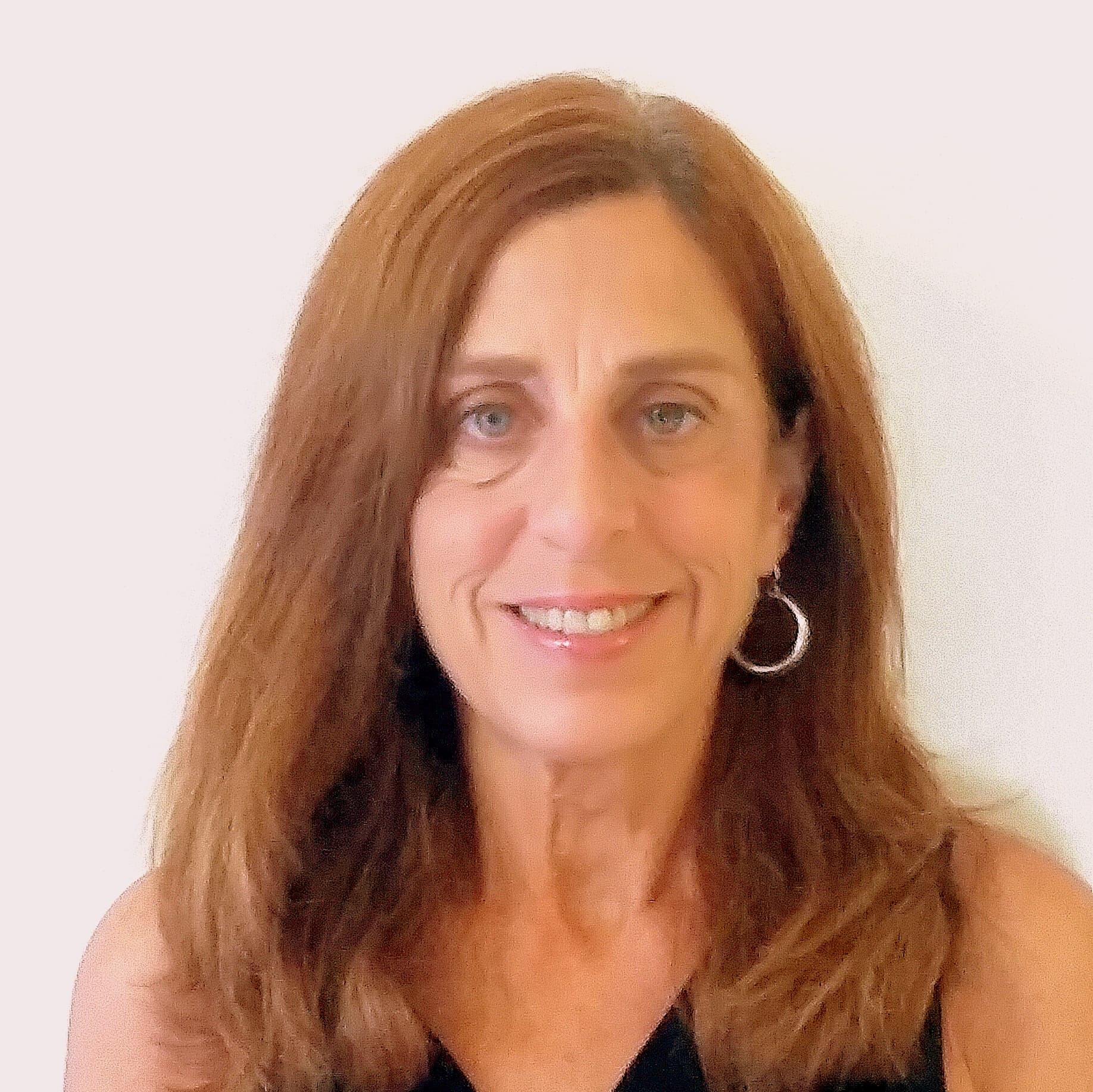
Dr. Deborah Malka, MD, PhD
President & Co-Founder | Lead Clinical Faculty | Curriculum Architect
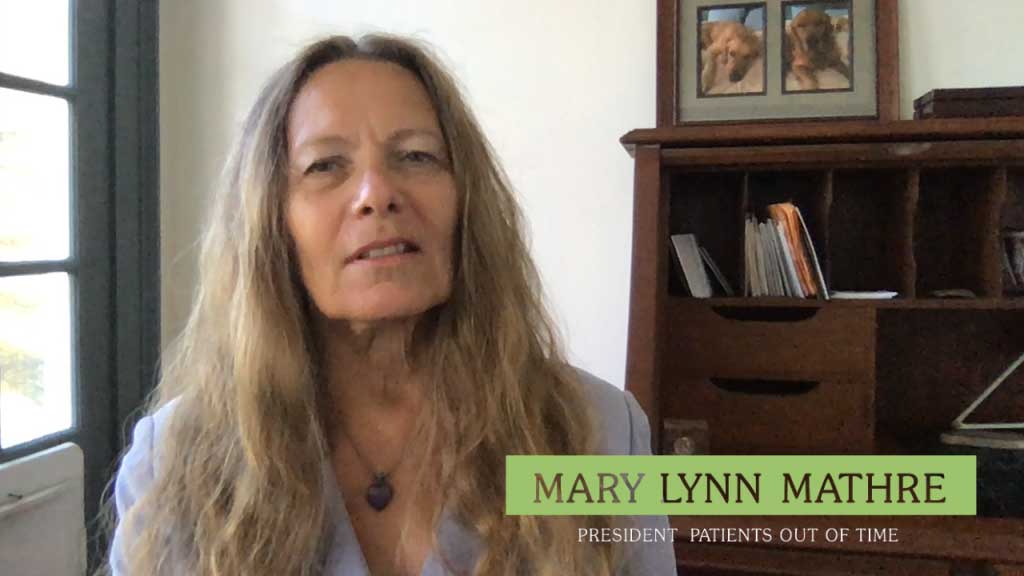
Mary Lynn Mathre
Co-Founder | Nurse | Veteran | Expericened Cannabis Educator
Our Professionals
CO-FOUNDER & LEAD FACULTY 1 NAME Dr. Deborah Malka, MD, PhD TITLE President & Co-Founder | Lead Clinical Faculty | Curriculum Architect BIO Dr. Malka has been involved with the Society of Cannabis Clinicians and Patients Out of Time throughout her career — attending, presenting at, and helping to shape the clinical conferences and peer-exchange networks that formed the first generation of cannabis-trained clinicians in the United States. She is one of few that carries clinical authority. Her curriculum draws directly from a 30-year body of clinical experience with over 30,000 medical cannabis patients followed over multiple years, with expertise in patient assessment, management, education, with the added benefit from discernment as a scientific researcher. CO-FOUNDER 2 NAME Mary Lynn (ML) Mathre, MS, RN TITLE Co-Founder, PACE | Co-Founder and Past President, Patients Out of Time | Founding Member, American Cannabis Nurses Association BIO Co-founder of PACE and President and Co-founder of Patients Out of Time and Past President and Founding Member of the American Cannabis Nurses Association (ACNA). Mary Lynn graduated from the College of St. Teresa in Winona, MN in 1975 and began her nursing career in the U.S. Navy Nurse Corps. She earned her MS degree from Case Western Reserve University in 1985 and her thesis was on Marijuana Disclosure to Health Care Professionals. Originally a medical surgical nurse, Ms. Mathre changed specialties in 1987 and has been a certified addictions registered nurse (CARN) since 1989. She began as the charge nurse on the Addiction Treatment Unit at the University of Virginia Health System, and later as the first Clinician 5 (expert level), she was the Addictions Consult Nurse for UVA Health System until 2002. She later was Executive Director of an opioid dependence treatment center in Charlottesville. Supporting Veterans Mary Lynn began her nursing career in the U.S. Navy Nurse Corps. She earned her MS degree from Case Western Reserve University in 1985 and her thesis was on Marijuana Disclosure to Health Care Professionals. Patient Centric Conferences Providing information that can guide patients and caregivers to make informed decisions. Accredited Seminar Series 25 years of producing accredited educational seminars for medical professionals. Providing a professional environment for learning. Connecting scientists & medical professionals around the world. ADVISORY FACULTY Advisory Faculty & Affiliate Educators PACE's educational consortium draws on the expertise of clinicians and researchers affiliated with Patients Out of Time, the Society of Cannabis Clinicians, and the American Cannabis Nurses Association. Additional faculty profiles will be published as PACE's curriculum extends to include our allied partners. If you are a clinician or researcher with expertise in cannabis medicine and interest in contributing to PACE's faculty roster, contact us at faculty@[domain]. "We are proud to be your ambassadors of trusted cannabis medical education." — Dr. Deborah Malka, MD, PhD, President & Co-Founder, PACE
The endocannabinoid system wasn't in your medical school syllabus. Now it is. PACE gives you the evidence, the pharmacology, and the clinical framework to answer your patients' questions with confidence. Stop relying on what they read online. Start practicing from what the research actually shows.